Tech for Good: Combating Human Trafficking in Nepal through a Digital Art Gallery
Introduction
At the Data Respons Hackathon in Stockholm in October 2023, I embarked on a 24-hour transformative journey of empathy and innovation together with my colleagues from frobese GmbH and five other teams from the Data Respons network. The goal was to craft a digital solution for the NGO Gatubarn i Nepal.
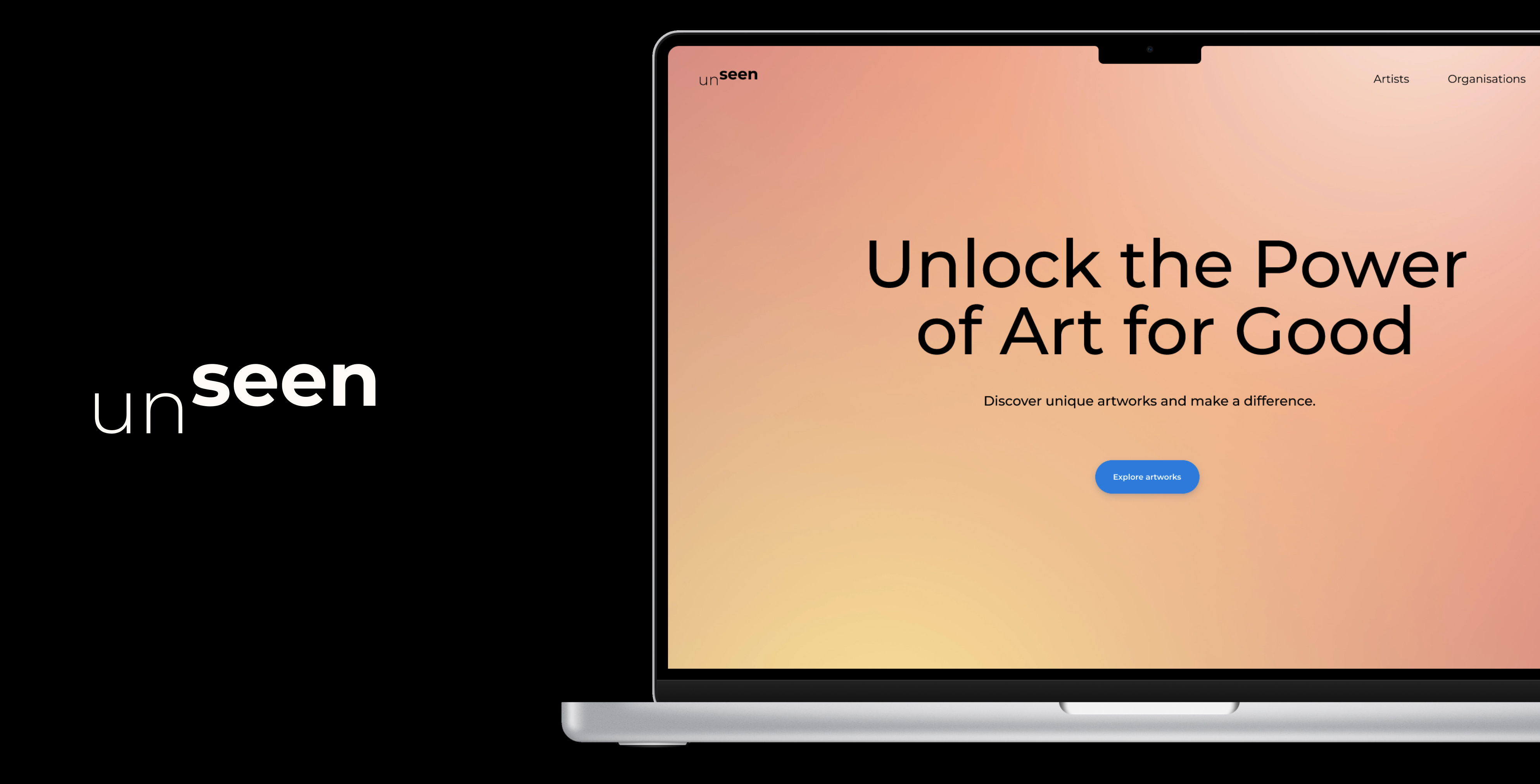
My teams' mission was to create a Digital Art Gallery, serving as a platform for promoting and selling art pieces created by talented children in Nepal. Together, we leveraged the power of technology to empower young artists, unlock their potential, and support a brighter future for Nepal's street children. The project was a collective effort to code for compassion and positive change.
Collaborative project
@ Data Respons Hackathon
frobese GmbH
2023
About the event
The Data Respons Hackathon is an annual event that unites the various subsidiaries of the company Data Respons to invent sustainable solutions within a 24-hour timeframe.
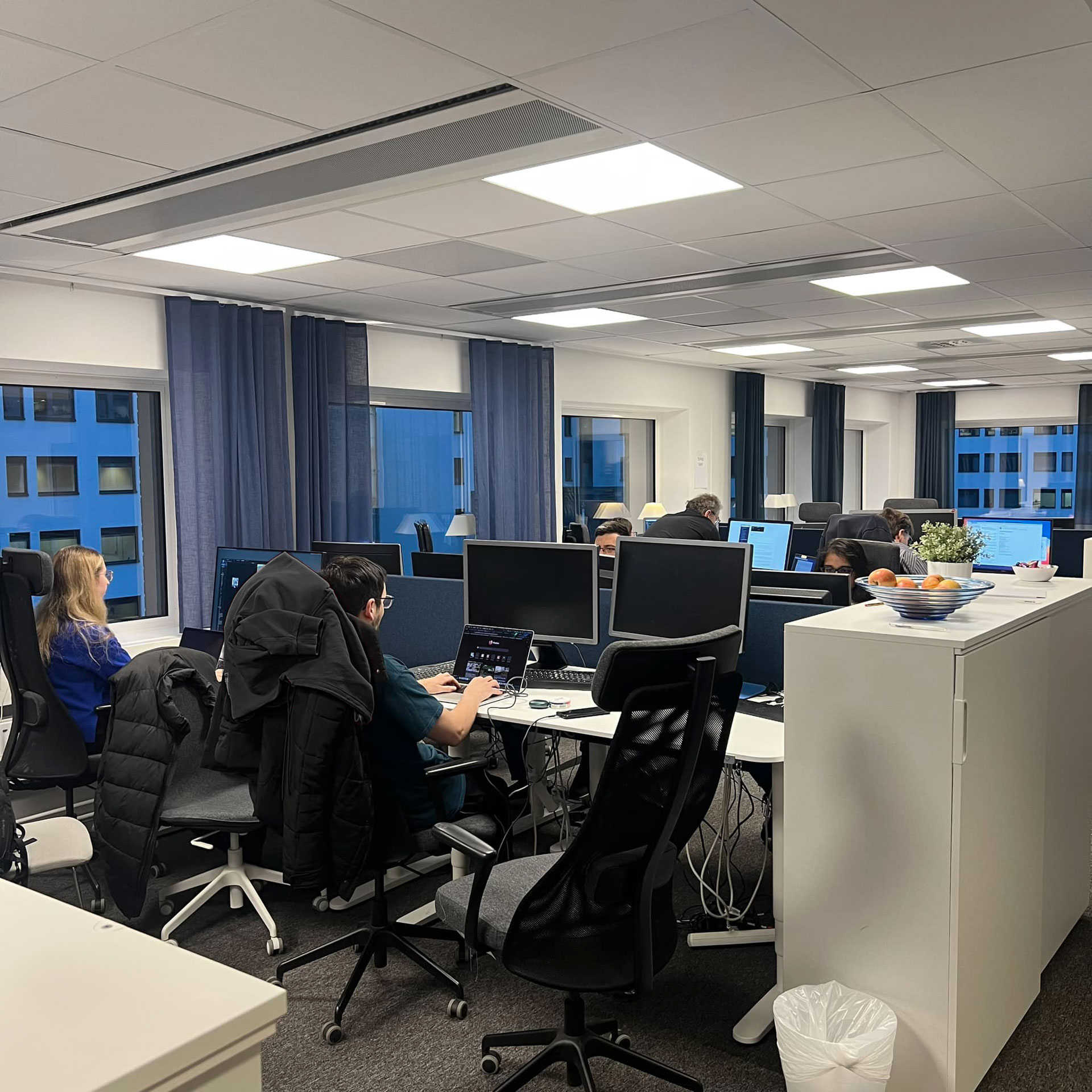
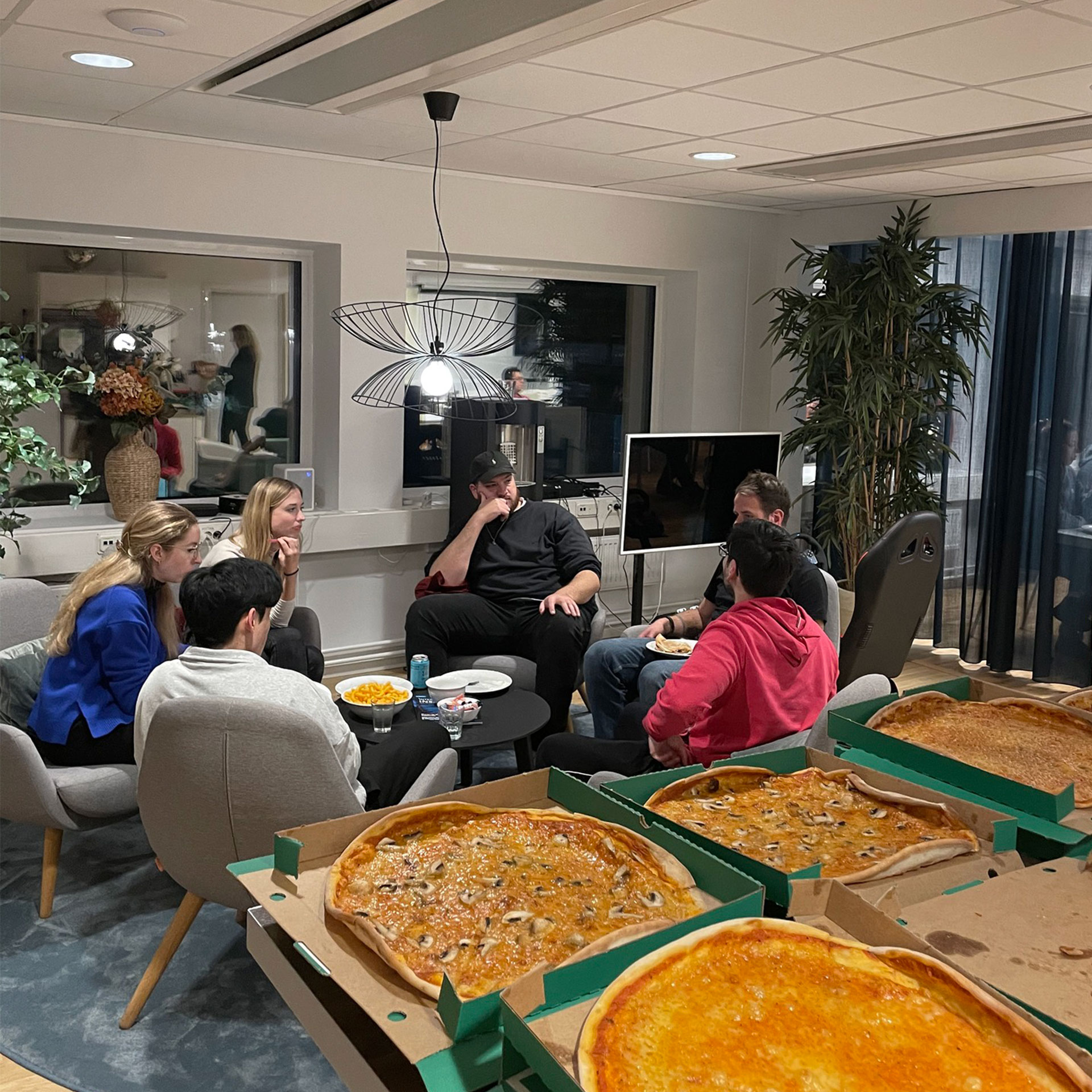
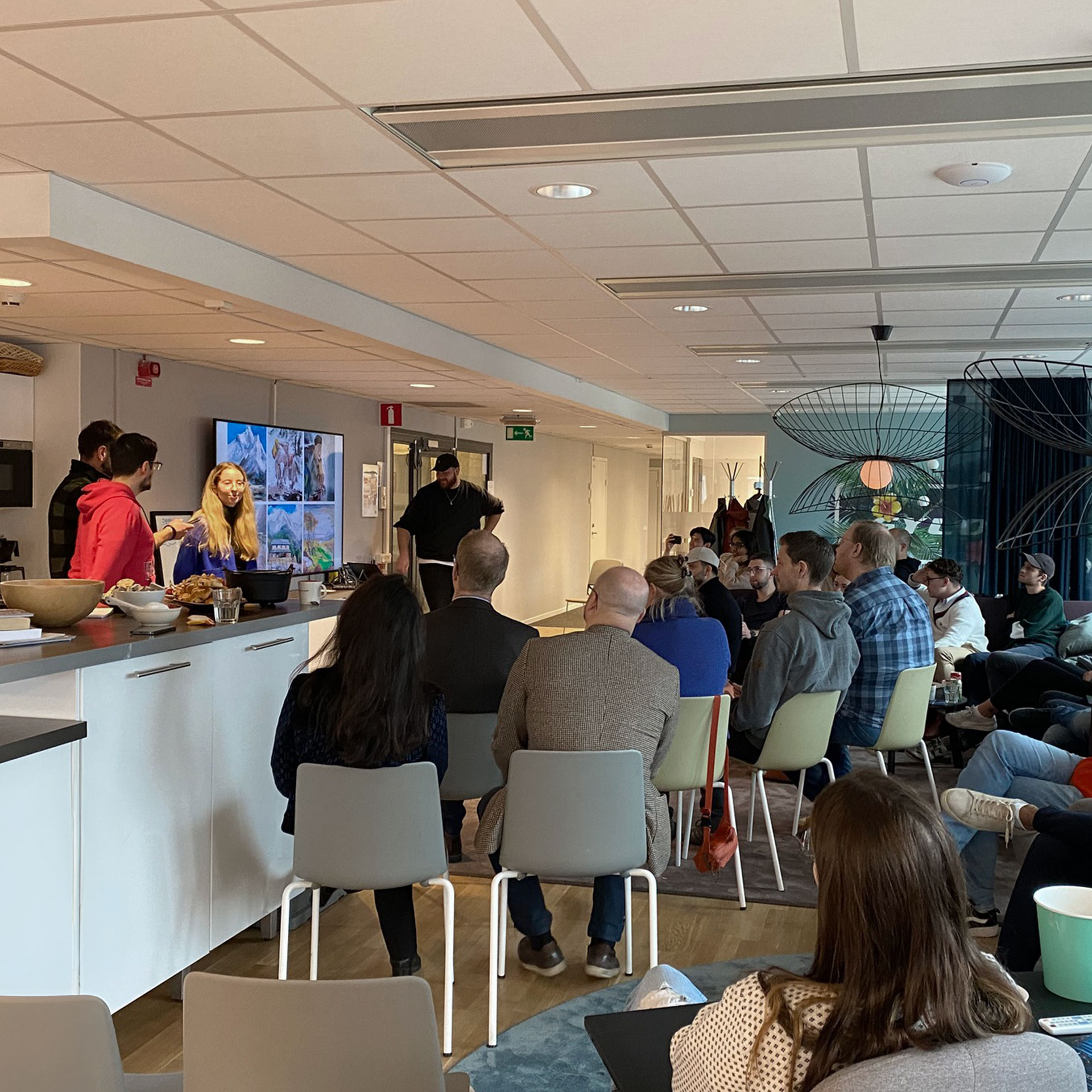
In this particular Hackathon, Eva Holmberg Tedert from the NGO Gatubarn i Nepal (Street Children in Nepal) presented a challenge under the theme "Charity & IT." The task for the 28 participants was to develop a digital solution that would empower her organisation to enhance the lives of children in Nepal.
CHARITY & IT
DATA RESPONS HACKATHON 2023
The organisation:
Gatubarn i Nepal
Gatubarn i Nepal (Street Children in Nepal) is a Swedish organisation founded in 2010 by Eva Holmberg Tedert. Operating in Nepal, the NGO is dedicated to combating human trafficking, with a particular focus on the vulnerable group of Nepalese children, especially girls.
The organisation places a strong emphasis on education and provides support to children at risk of homelessness. Through its efforts, Gatubarn i Nepal aims to rescue children from the streets of Kathmandu, prevent trafficking, and create opportunities for a better future.

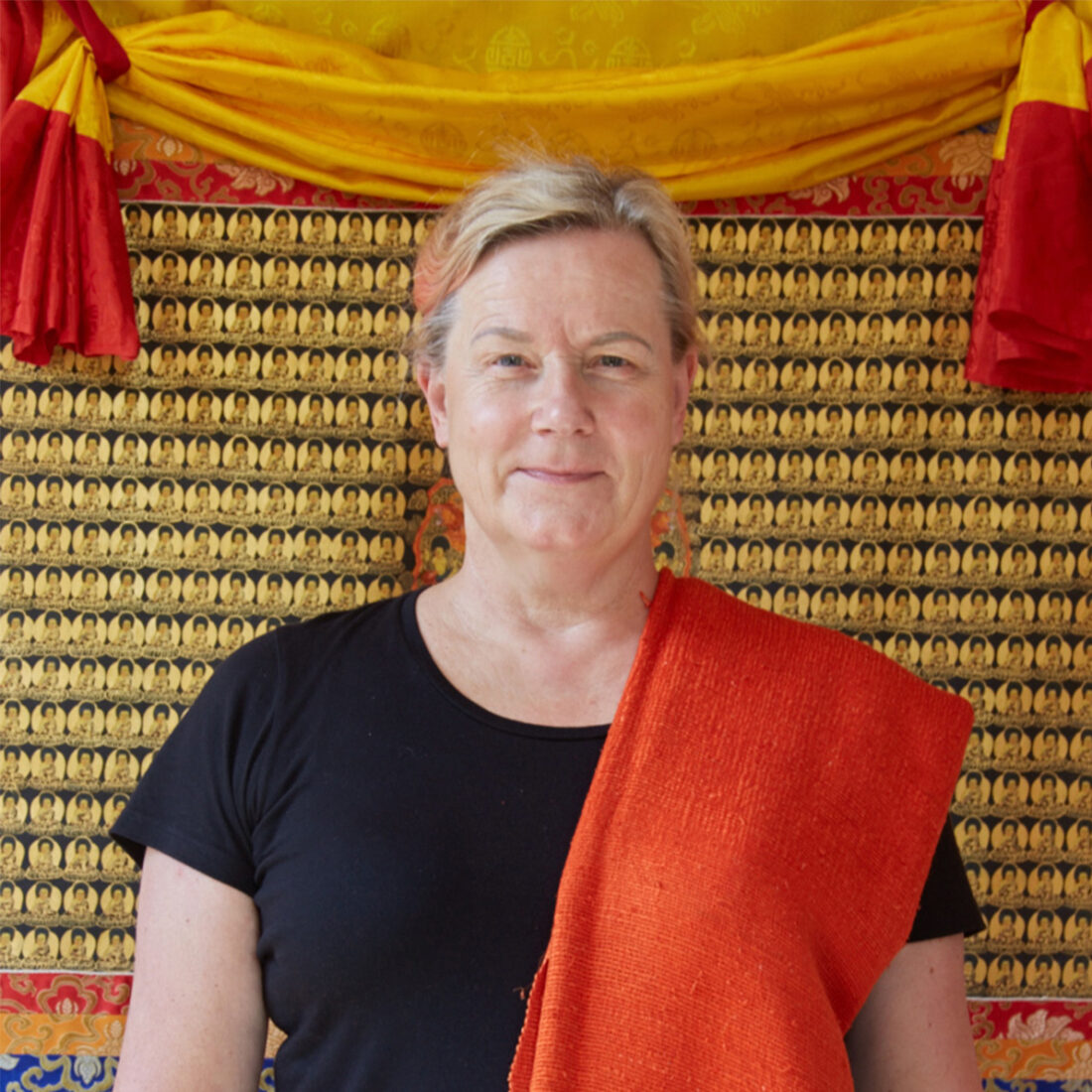
Eva Holmberg Tedert
Sources: Gatubarn i Nepal
Sources: Gatubarn i Nepal
24 HOURS
6 TEAMS
1
GOAL
CHALLENGES
DELIVER RESULTS IN 24 HOURS
COLLABORATE IN A NEW TEAM CONSTELLATION
ADRESS SPECIFIC CONDITIONS IN NEPAL
Navigating the 24-hour timeframe brought its own set of challenges, including physical fatigue and occasional moments of stress. Nevertheless, the team's unwavering motivation drove us forward, allowing us to overcome obstacles. The awareness of the time limitation emphasised the importance of meticulous planning and prioritization to make the most of our efforts.
Another noteworthy challenge involved collaborating in a new team constellation comprising six colleagues with diverse skill sets. With backgrounds in development, design, and project management, our team faced the task of adapting to the unique dynamics of this newly formed group and establishing a productive approach to teamwork.
Furthermore, addressing the unique circumstances in Nepal added complexity to our task, requiring a contextually sensitive approach. This challenge highlighted the importance of adapting our solutions to the specific conditions in Nepal.
Another noteworthy challenge involved collaborating in a new team constellation comprising six colleagues with diverse skill sets. With backgrounds in development, design, and project management, our team faced the task of adapting to the unique dynamics of this newly formed group and establishing a productive approach to teamwork.
Furthermore, addressing the unique circumstances in Nepal added complexity to our task, requiring a contextually sensitive approach. This challenge highlighted the importance of adapting our solutions to the specific conditions in Nepal.
APPROACH
AGILE AND ITERATIVE PROCESS
ENGAGE WITH THE NGO
LEARN FROM EACH OTHER & HAVE FUN :)
Our approach to teamwork involved defining team rules and planning our collaboration right at the beginning of the event. We adopted the Scrum model, executing our work in an agile and iterative process. Our 24 hours were structured into sprints, with several deep work sessions followed by team meetings to discuss progress frequently.
For ideation, we delved deeply into understanding the challenges faced by the NGO Gatubarn i Nepal. Eva Holmberg Tedert, the founder, presented the specific issues in Nepal and her organisation's goals at the beginning of the hackathon. We engaged in a conversation with Eva, asking numerous questions to gain a comprehensive understanding.
Learning from each other was a key aspect of our approach. We divided tasks based on individual strengths while maintaining space for continuous learning from other team members. This allowed for flexibility, enabling team members to delve into different areas of expertise.
OUR IDEA
Starting point
In preparation for the hackathon, our team thoroughly researched Gatubarn i Nepal, familiarizing ourselves with the organisation's mission and goals. During this process, I explored their social media presence and discovered that the children under their care receive art education.
The NGO organised
an art exhibition featuring the creations of these talented children at the start of 2023 in a Kathmandu hotel. The artworks were prominently displayed not only at the hotel but also on the organisation's Facebook and Instagram pages. Interested buyers had the option to acquire the paintings either through direct messages on social media or in person at the hotel in Kathmandu.

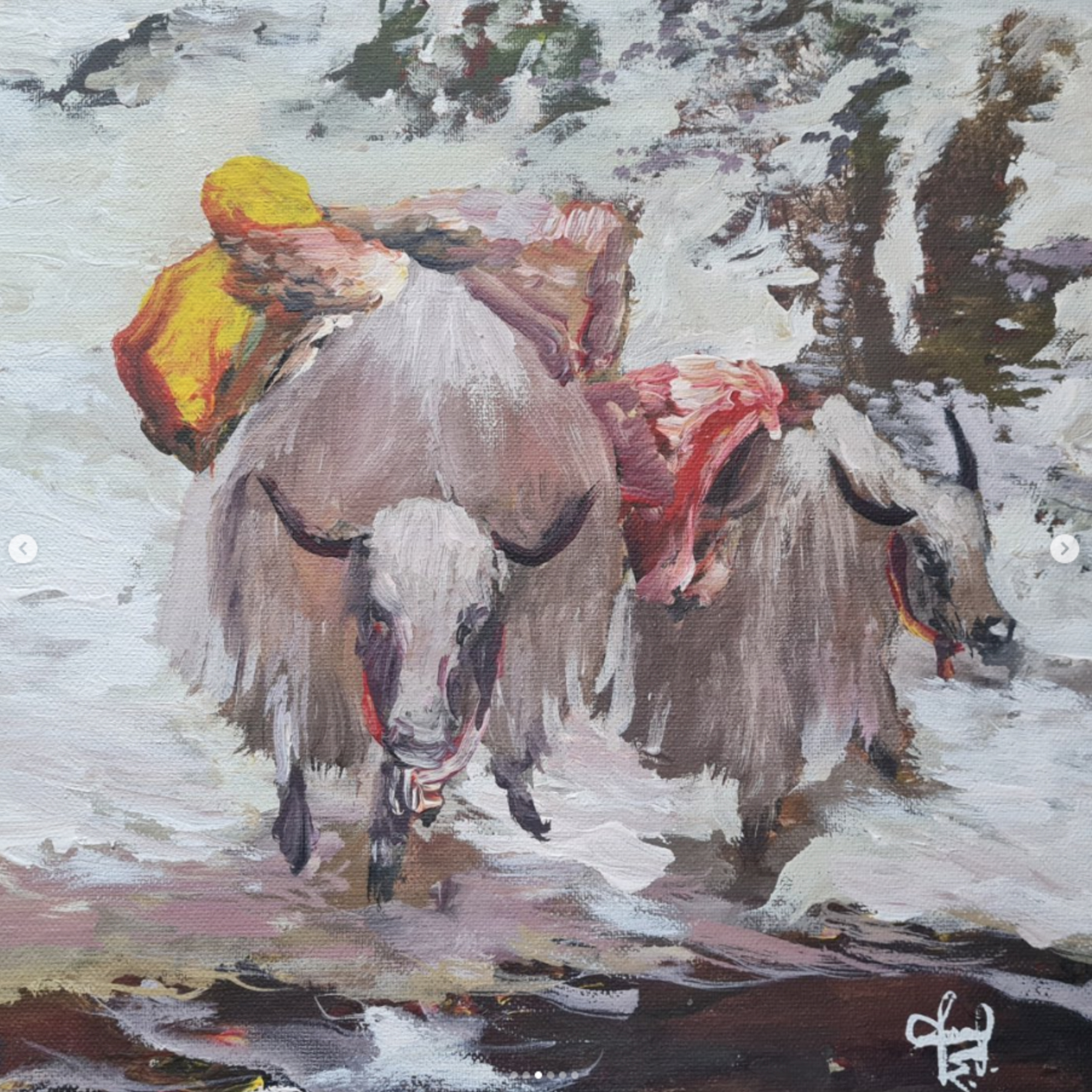
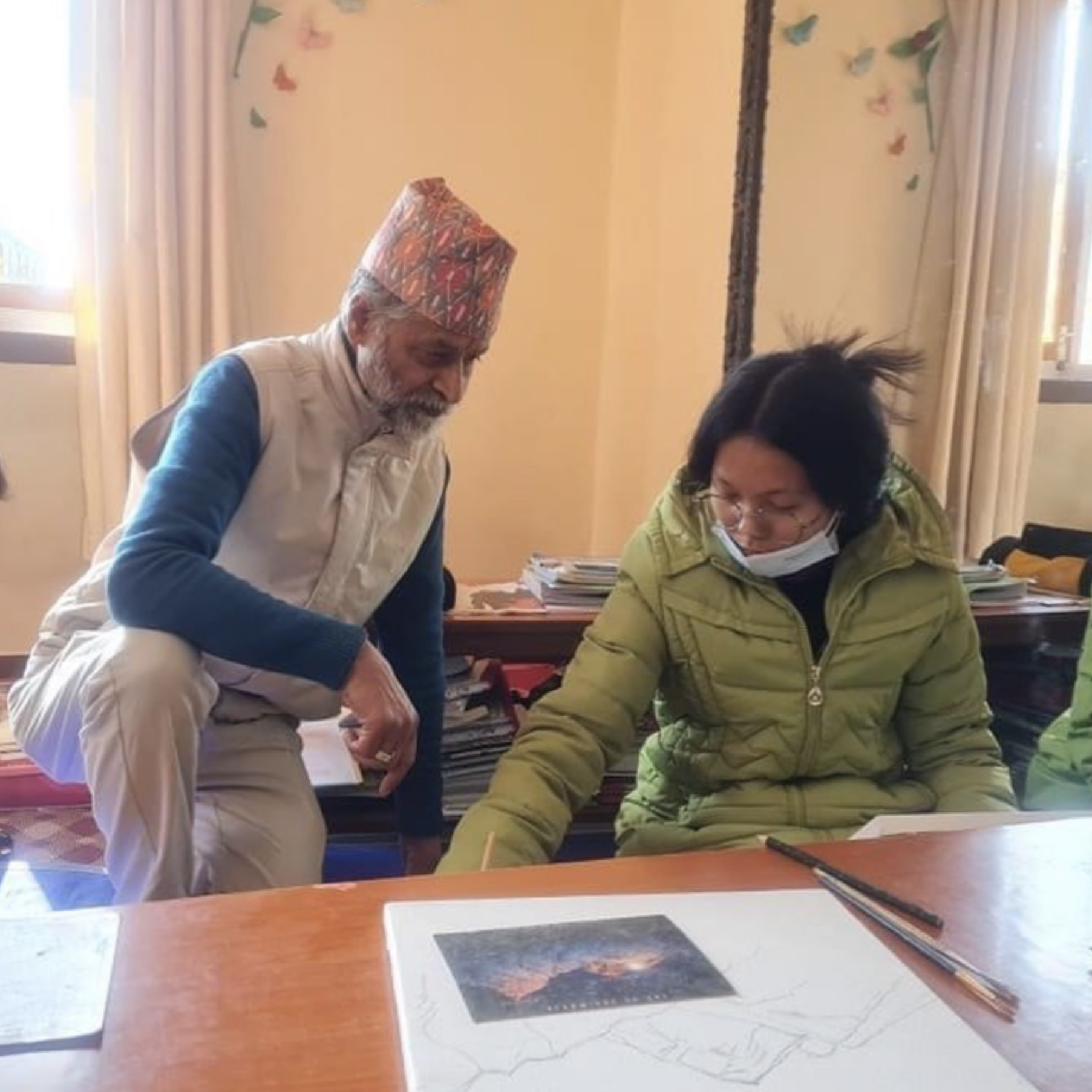
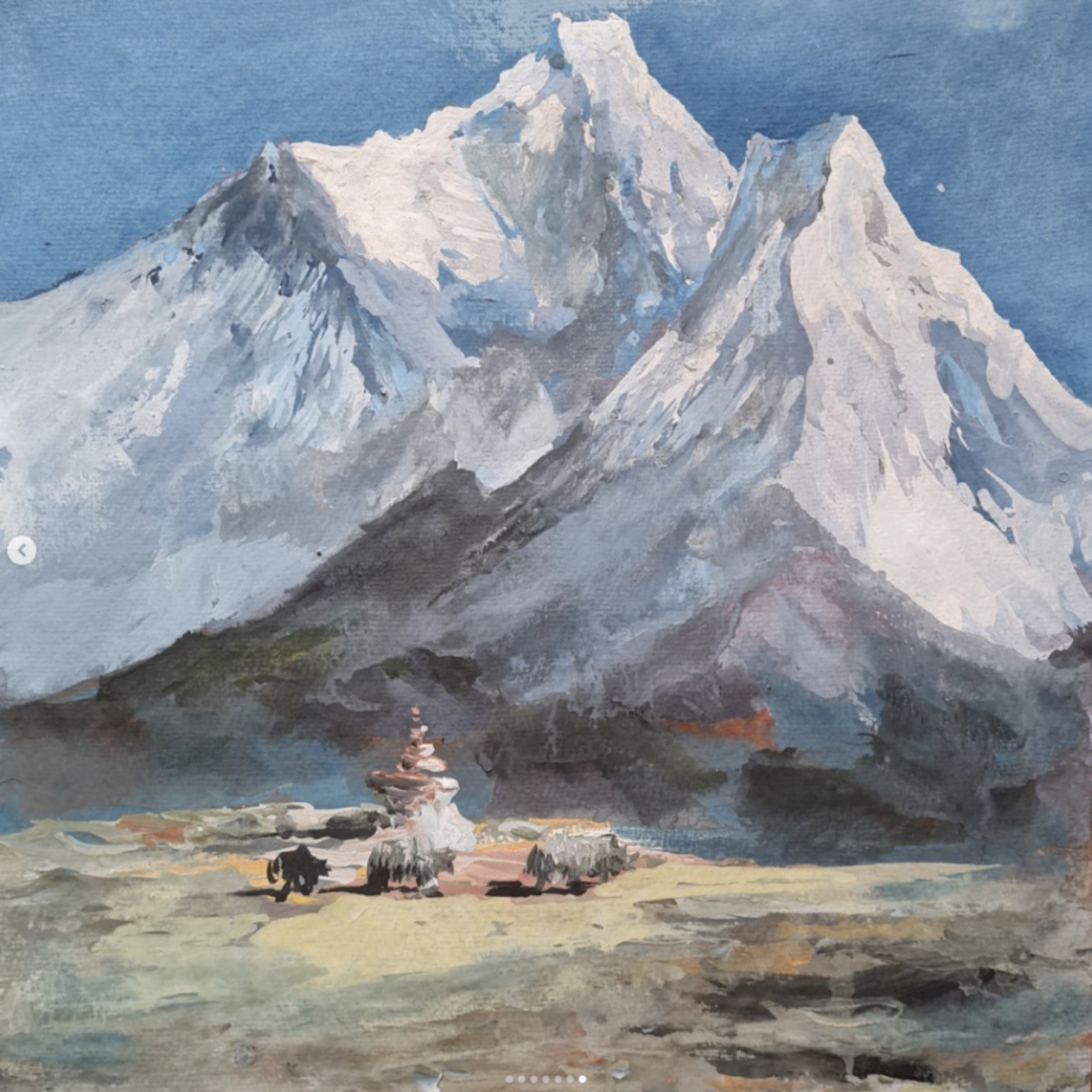
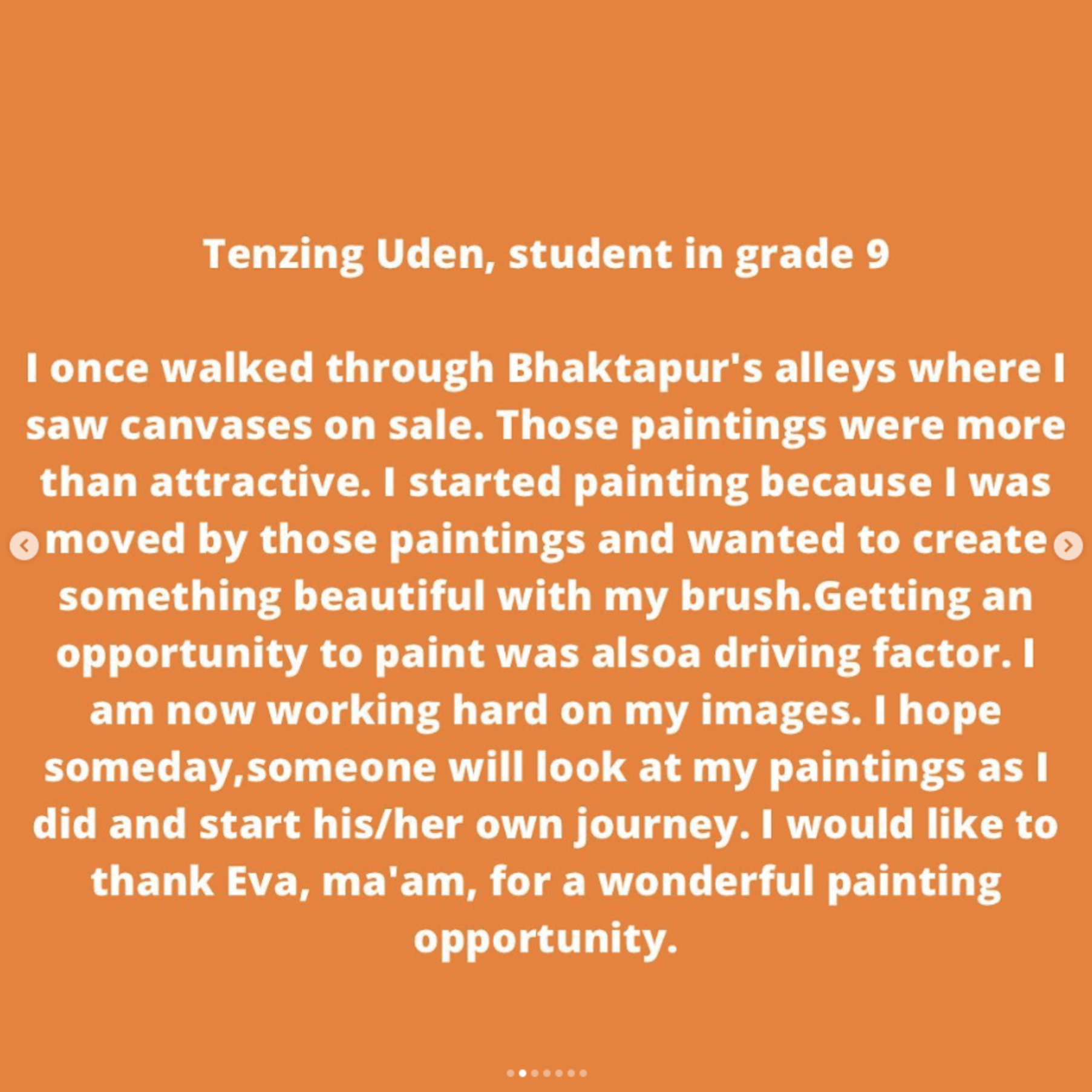
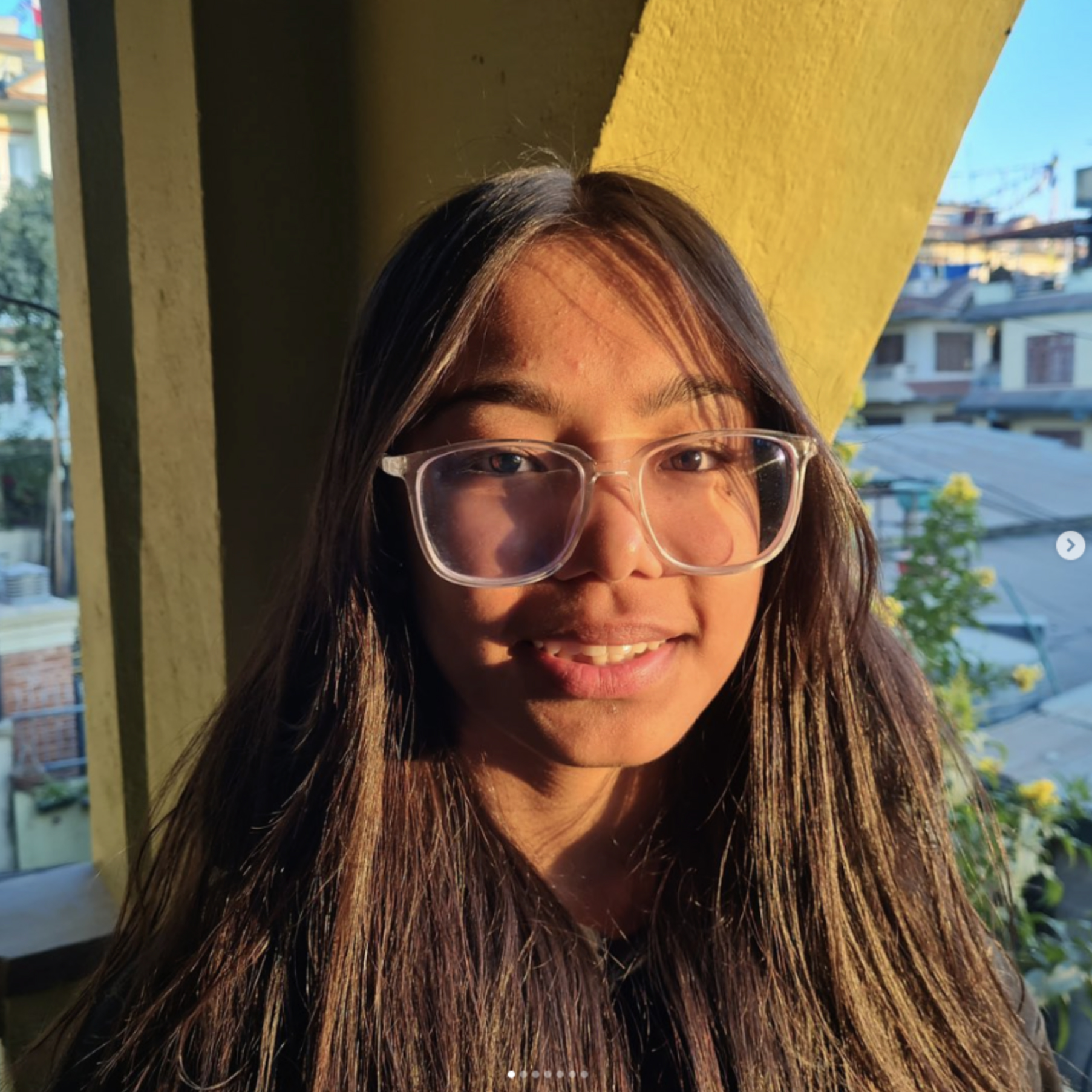
Source: Instagram @gatubarninepal
Vision
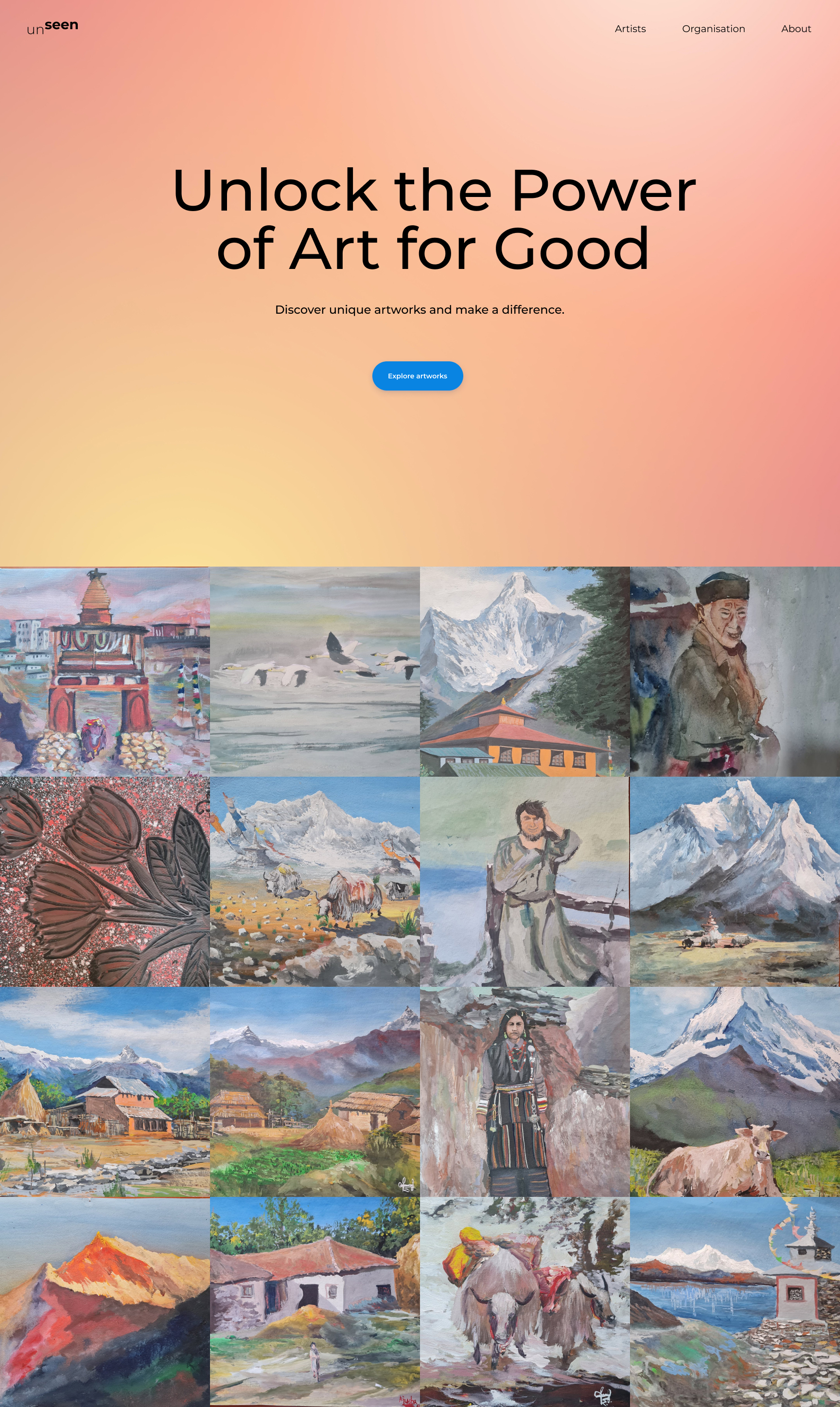
Inspired and impressed by the remarkable artworks created by the talented children in Kathmandu, our vision for a digital art gallery was to extend their visibility beyond local boundaries. By opening the art exhibition to a broader global audience, we aspired to facilitate an international publication of the works, inviting global art enthusiasts to engage and support these young artists and the NGO through the built-in shop system.
Our goal was to offer exposure, and empower these children by connecting their creative expressions with a worldwide community.
DIGITAL ART GALLERY FOR THE UNSEEN
Implementation
In the initial stages, our idea at the hackathon started with ambitious and experimental concepts, considering options like turning artworks into NFTs and creating a virtual reality gallery using tools like A-frame. However, we quickly narrowed down the idea to its essential functions and implemented a simple website with a shop system.
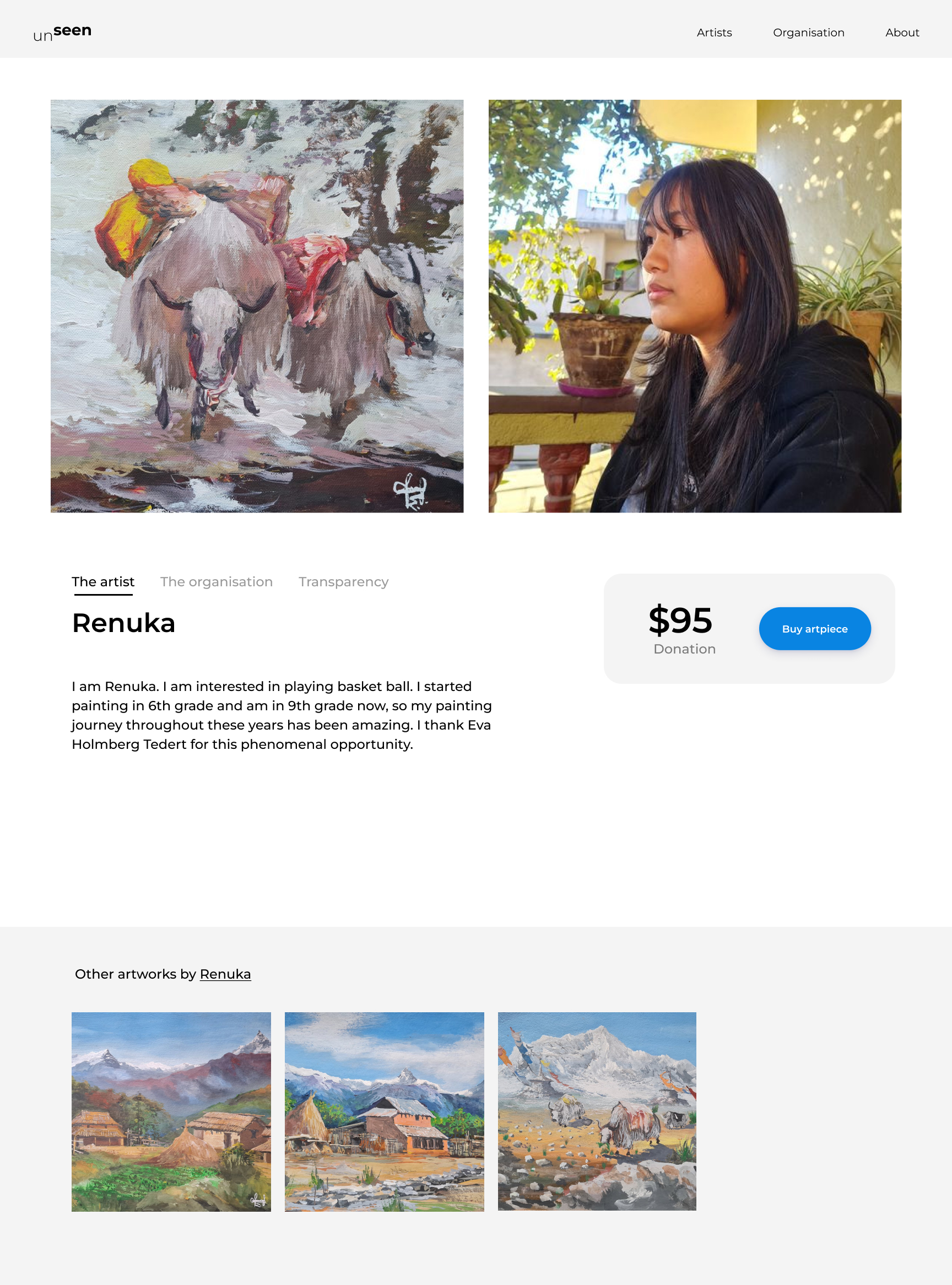
The system is intentionally designed for simplicity and ease of use, making it feasible for volunteers to manage. The website serves as a platform to showcase both the artworks and the artists, providing background information about the children and putting a spotlight on their remarkable talents.
My role
In preparation for the hackathon, our team members pitched various concepts, and after careful consideration, my idea of the digital art gallery was selected.
As the person responsible for UI/UX design during the hackathon, I developed a target audience for the website, thoroughly explored the requirements, and brought the idea to life through wireframes. Furthermore, I engaged in effective communication with the developers and took an active role in presenting our project to the jury.
Impact
Visibility and accessibility
The digital art gallery allows interested buyers from around the world to view and purchase artworks, not only in Kathmandu. The exhibition is expanded globally, and a specific digital space serves as an archive for all exhibitions and works, unlike social media posts that fade from feeds over time.
Financial support
The automated purchase process and reduced administrative workload ensure that funds reach the organisation quickly. The donations collected are directed towards further artistic development of children, providing resources for their education, art supplies, and more.
Transparency
"Who receives my donation?"
Faces and background information about the children create an emotional connection and enhance the credibility of the organisation.
Appreciation
Recognising and celebrating the artistic talents of the children, the digital art gallery instills a sense of appreciation for their creative abilities. Through this, children gain the empowering realisation that their talents can have a positive impact on those around them.
Community
The digital art gallery fosters tradition and community, transforming art exhibitions into potential annual events. This initiative enables a continuous celebration of artistic talents and strengthens the sense of community.
Outcome
Following the intense 24-hour period, each team presented their innovative ideas, and a panel of judges, which included Eva Holmberg Tedert, nominated the winners.
Eva, serving as a jury member, highlighted that the manageability and easy implementation of our project played pivotal roles in the jury's decision, ultimately leading to our project being chosen as the winner.
“Many of the children we are working with have a creative streak. The Digital Art Gallery For The Unseen is an obvious way to promote their work, and in a format that is feasible for us. We can quite easily launch such a website, and I believe it has the potential to do a significant difference in our work.”
— Eva Holmberg Tedert
More about the hackathon on the Data Respons website:
Hacking Sustainability for Street Children in Nepal︎︎︎
The frobese team:
Stephan Bogansky
Thanh Nguyen
Maximilian Scheffel
Chantal Baro
Felix Volodarskis
Caroline Krasnosselski
frobese GmbH
Unseen — Digital Art Gallery
2023 @ DR Hackathon
Unseen — Digital Art Gallery
frobese GmbH
2023 @ Data Respons Hackathon